Kakarvitta.
Many people think of elephants as soon as they say Northeast Bahundangi of Jhapa, the world has known it as an elephant-affected area for years. With the arrival of the elephants, hundreds of citizens have lost their lives due to the famine caused by them, and they have to suffer huge material losses due to the famine.
For years, the state government and political parties have not even made written promises to Bahundangi residents that they will solve the problem of elephants. No matter whether it is the local level, the state or the federal government, everyone has been making these and such promises.
By selling the stories of the sufferings of the people of Bahundangi and the terror of the elephants, some of them have even made it the main basis of their economic earnings. Some have climbed the ladder of power and power by making that pain a ladder. However, the saying that “even if Jogi comes, his ears are torn” has been proven true here.
A huge amount of state funds has been spent for elephant control and human security. However, that amount is like pouring water on sand.
The party and its leaders have made this area, which has a border with the neighboring state of West Bengal, as a political arena, and have been using the issue of elephants as an election weapon. The players of this field may have achieved excellence, but the pain of the people here is theirs.
Experts have commented that unless the Indian government takes initiative to stop or manage the wild elephants that enter Nepali land from various regions of the neighboring country, India, this problem will continue to grow. If India is to understand Sandhe’s silence on this matter, then India does not seem to have any intention of solving the problem.
By not blocking the elephants entering Nepal, it seems that the Indian side is not interested in solving the problem. Because of this, it should not be considered as the main factor in the failure of all the efforts made so far for control.
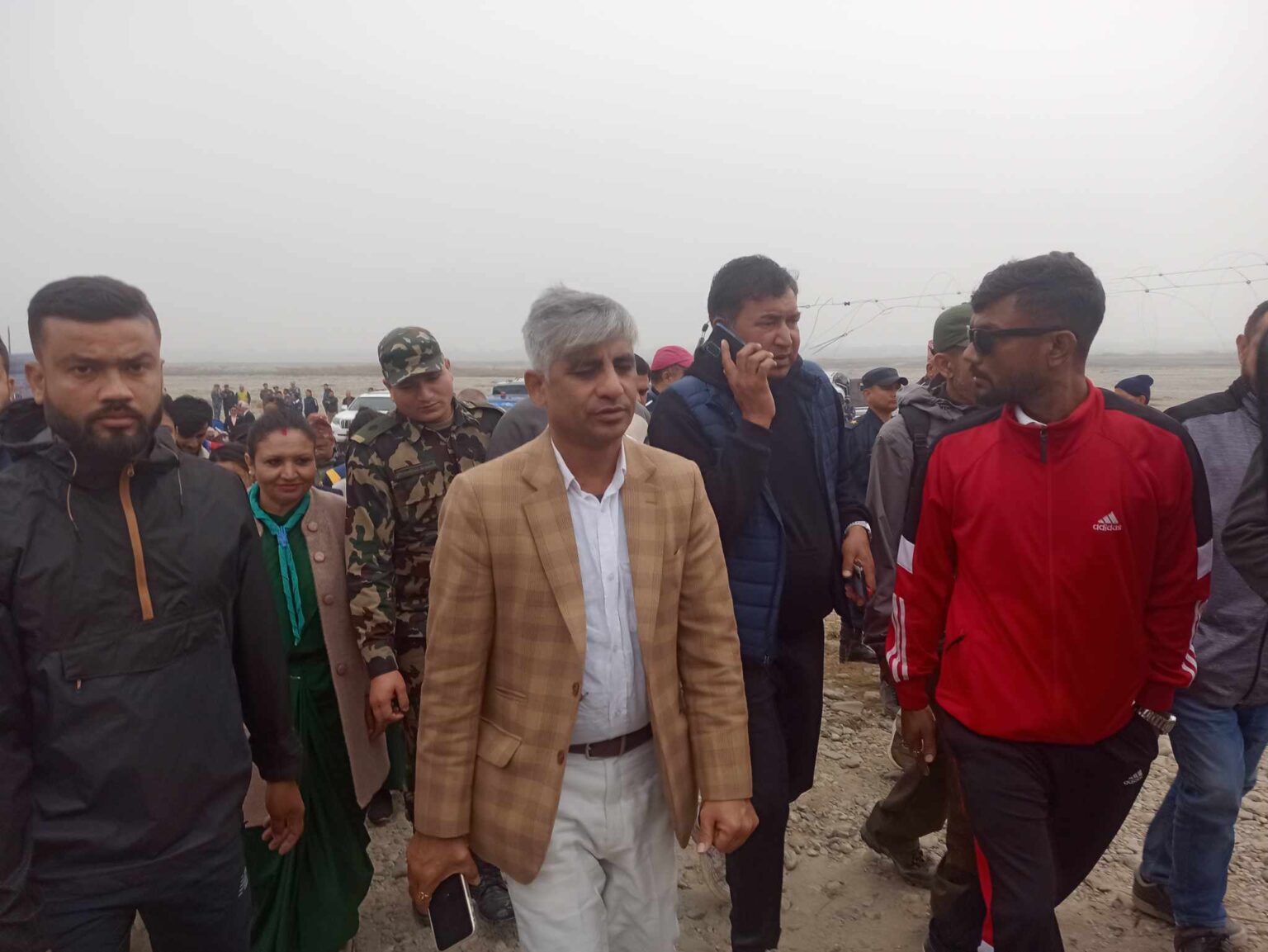
The trek started with pomp and ceremony up to Katari in Udaipur.
The team started the 240-kilometer walk with the intention of understanding the views of the stakeholders to resolve the human-elephant conflict, and embarked on the ‘Elephant-Friendly Walk’. According to Akhilesh Kumar Gupta, the spokesperson of the Ministry of Tourism, Forest and Environment, Koshi Province, the walk has been started and will end on the 16th.
Following the advice of some leaders of the society who were complaining that the state did nothing, they should have done something, the team led by the Chief Minister of Koshi Province, Kedar Karki, went on a walk from Wednesday.
The team from Jhapa’s Bahundang to find a sustainable and effective new way to control elephants
Minister of Forests and Environment of the Federal Government Dr. Birendra Prasad Mahato, local people’s representative, forest employee, environmentalist, conservationist,
It is understood that Chief Minister Karki will discuss with the local stakeholders about ways to minimize human-elephant conflict during the journey to discover the traditional biological path of wild elephants.
Stakeholders are unaware of the fact that there has been no dialogue between the two countries for a sustainable solution to the human-elephant conflict. The yatra started by spending a large amount of state funds will give hope to the victims, but as the yatra is progressing, these and similar questions are now being raised among the victims.
(News source Jan Sansad Online)